Seniors need 150 minutes of moderate-intensity exercise each week to stay healthy, but many find lengthy workout sessions overwhelming. The 7-Minute Workout for Seniors offers a practical solution that caters to older adults’ fitness needs. This workout can be performed while standing or sitting, making it accessible for different fitness levels.
Regular physical activity helps manage chronic conditions like arthritis, diabetes, and heart disease. These benefits increase, especially during outdoor sessions, where exposure to natural light boosts serotonin levels and enhances mood. This seven-minute daily routine combines movements that strengthen bones and joints while improving cognitive function.
Would you like to find out how this simple, quick workout can transform senior fitness? We’ll walk you through the complete routine step by step.
Understanding the 7-Minute Senior Workout
Scientific research shows that quick, focused workouts can significantly boost overall health. A recent study found that just 15 minutes of vigorous weekly exercise reduced mortality risk by 18%, while 19 minutes of weekly exercise lowered the risk of heart disease by 40%.
Science Behind Short Workouts
The 7-minute workout blends high-intensity circuit training with short recovery breaks, making it highly effective. Research indicates that even two-minute bursts of intense activity can improve heart health and reduce cancer risk by 16%. Strategic rest periods allow muscles to recover, maximizing the benefits of each movement.
Benefits for Older Adults
When done regularly, the 7-minute workout provides numerous benefits for seniors:
- Prevents bone loss and increases bone density
- Alleviates arthritis pain through gentle movements
- Strengthens the immune system and reduces illness frequency
- Enhances mood and supports mental well-being
- Improves heart health and boosts daily energy levels
Safety Considerations
Anyone over 65 should consult their doctor before starting this workout. As the body naturally changes with age, muscle mass and joint cartilage decrease. Maintaining proper form and technique is essential to prevent injuries.
Seniors should ease into the workout and gradually increase intensity. Exercises can be adjusted based on fitness level to ensure both safety and effectiveness. Those with chronic health conditions or mobility challenges can modify movements to fit their abilities.
Essential Equipment and Space Setup
A well-prepared exercise space with the right equipment forms the foundation of a safe and effective senior workout routine. Whether indoors or outdoors, a dedicated, clutter-free area enhances safety and results.
Exercise Requirements for Seniors
You don’t need much equipment, but thoughtful selection is key. Here’s what you’ll need:
- A sturdy chair with a stable base and proper height (knees at 90 degrees when seated)
- Breathable cotton T-shirts and comfortable workout pants
- Supportive athletic shoes with non-thick rubber soles
- Light dumbbells (2-5 pounds for women, 3-8 pounds for men), if desired
Outdoor Fitness Equipment Options
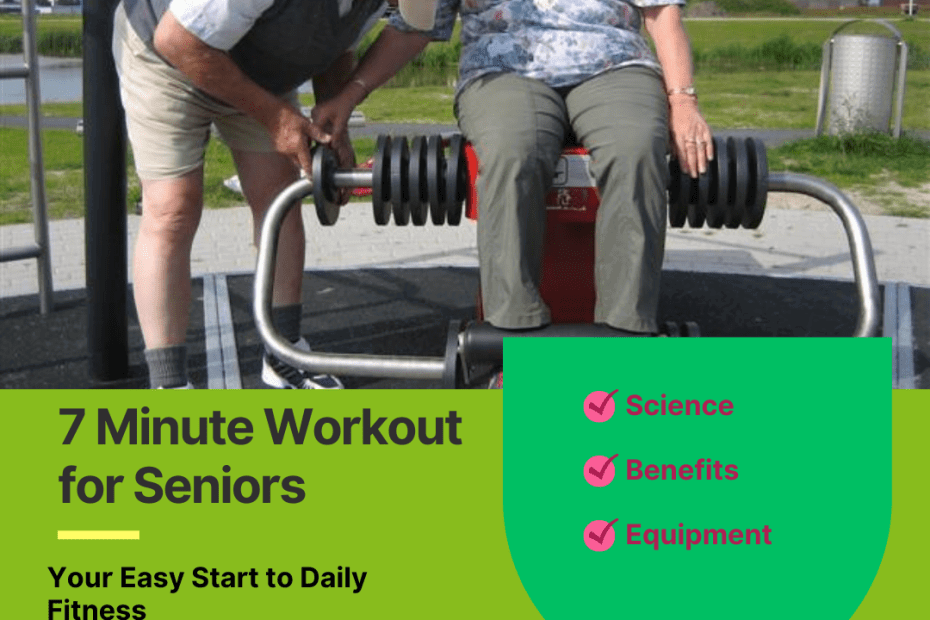
Outdoor fitness equipment can be highly beneficial for seniors. These machines improve muscle tone, balance, and coordination. Many fitness parks offer resistance machines that adjust to individual strength levels, as well as stretching stations and balance beams to enhance flexibility and stability.
Safety Modifications
A few safety precautions can help prevent accidents during exercise:
- Use carpet or non-slip flooring indoors
- Place rubber matting outdoors for secure footing and shock absorption
- Ensure good lighting and proper ventilation
- Keep the space free of clutter, with equipment within easy reach
- Use handrails and grab bars in outdoor workout areas for added stability
- Exercise in air-conditioned spaces or opt for early morning sessions in hot weather
The 7-Minute Workout Routine
This workout alternates active movements with short rest periods to deliver effective results without excessive fatigue.
Warm-up Exercises (2 minutes)
A proper warm-up increases blood flow and prepares muscles for activity:
- March in place for 30 seconds
- Perform shoulder rolls and arm circles
- Do hip circles and ankle rotations to loosen joints
Core Movements (3 minutes)
Each exercise is performed for 30 seconds, with 10-second rest breaks in between:
- Chair-assisted squats – Strengthens leg muscles
- Wall push-ups – Builds upper body strength
- Standing bicycle crunches – Improves core stability
- Chair-assisted split squats – Enhances balance
- Standing side crunches – Targets oblique muscles
Adjustments can be made based on fitness level. For example, wall push-ups can be made easier by modifying foot placement, while chair exercises provide a stable foundation for those with balance concerns.
Cool-down Stretches (2 minutes)
Cooling down helps lower heart rate and prevents blood pooling in the legs. Gentle stretches target the major muscle groups worked during the routine. This phase reduces muscle soreness, speeds up recovery, and improves flexibility.
Focus on steady breathing and maintaining proper form rather than speed. A systematic approach maximizes benefits while minimizing injury risk.
Proper Form and Technique Guide
Maintaining proper form is crucial for senior fitness, ensuring safety and maximizing workout benefits.
Common Form Mistakes
Seniors should be mindful of these common mistakes:
- Moving too quickly instead of maintaining control
- Developing muscle imbalances by favoring one side
- Ignoring pain signals and pushing through discomfort
- Breathing incorrectly during exercises
- Exercising beyond their current fitness level
Breathing Patterns
Effective breathing techniques improve both safety and performance. The best approach is deep inhalation through the nose, followed by slow exhalation through pursed lips. This method regulates breathing, enhances lung efficiency, and supports strength training efforts.
Modification Options
Adapting exercises ensures safety while maintaining benefits. For example:
- Wall push-ups can replace traditional floor push-ups
- Chair-based movements reduce fall risk while still engaging muscles
- Resistance bands allow for adjustable strength training based on ability
For additional support, fitness professionals can help refine form and recommend appropriate modifications as workouts progress.
Conclusion
The 7-minute workout provides seniors with an excellent way to stay active and maintain their health. Research confirms that brief, structured workouts deliver significant benefits when performed with proper form and technique.
Seniors can complete this routine indoors using minimal equipment or outdoors with specialized fitness gear. Exercising in fresh air offers added mood and health benefits by increasing serotonin levels.
By focusing on proper form, making necessary modifications, and practicing regularly, seniors can achieve their fitness goals safely. Looking for the best outdoor fitness equipment for seniors? Check out Denfit’s high-quality solutions designed to make staying active enjoyable at any age!
This 7-minute routine enhances strength, balance, and overall well-being. Remember to consult your healthcare provider before starting any new exercise program and progress at a pace that matches your fitness level.
FAQs
1. Is a 7-minute workout effective for seniors?
Yes, a 7-minute workout can be highly effective. It combines high-intensity circuit training with brief recovery periods, offering benefits such as improved endurance, muscular strength, and cardiovascular health.
2. What are the main benefits of this workout?
Key benefits include preventing bone loss, reducing arthritis pain, boosting immunity, enhancing mood, and improving cardiovascular health. It also supports balance and overall mobility.
3. Do I need special equipment?
Minimal equipment is required: a sturdy chair, comfortable clothing, supportive shoes, and optionally, light dumbbells. Outdoor fitness equipment can provide additional benefits.
4. How often should seniors do this workout?
For best results, seniors should aim for regular activity. Starting with 2-3 sessions per week and gradually increasing to daily workouts is a good approach. Consulting a healthcare provider for personalized advice is recommended.
5. Are there safety considerations?
Yes, it’s essential to consult a doctor before beginning. Exercises should be performed with proper form, and modifications should be made based on individual fitness levels. Start slow and gradually increase intensity for optimal safety.