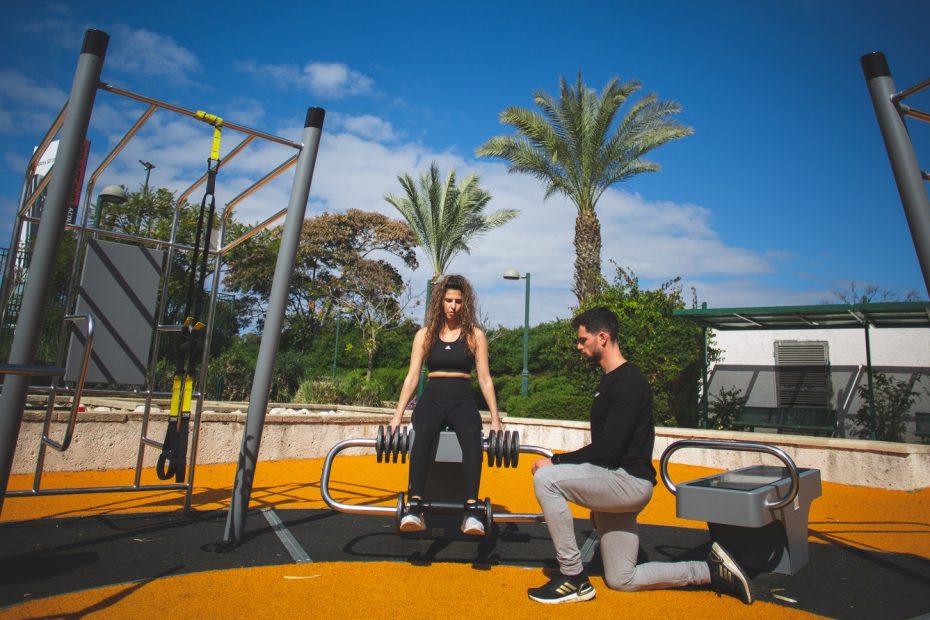
Outdoor fitness gyms have significantly gained popularity over the last decade as people seek accessible ways to stay active despite busy lifestyles. These free public workout spaces focus on bodyweight exercises that build strength, agility, and endurance with minimal equipment, making fitness available to everyone.
During the COVID-19 pandemic, outdoor exercise emerged as a safer alternative to indoor workouts, further accelerating this trend. The concept has particularly flourished in countries like the Netherlands, where cities such as Amsterdam and Rotterdam have pioneered outdoor fitness initiatives. Research shows that exercising outdoors significantly reduces anxiety levels when compared to indoor workouts. This approach aligns with the philosophy that fitness is a community movement rather than an individual achievement.
For communities concerned about physical inactivity—where approximately 25% of adults get no exercise outside of work—outdoor fitness gym equipment and calisthenics parks offer a powerful solution. From pull-up bars and dip stations to more specialized calisthenics parks and fitness equipment, these spaces provide everything needed for effective training without membership fees or contracts.
The Rise of Outdoor Fitness Gyms
How outdoor workouts became popular
Across the globe, urban landscapes are being transformed as underused spaces evolve into vibrant fitness zones. Initially emerging in the 1970s and 1980s, the outdoor gym concept has since blossomed into a worldwide phenomenon. The trend gained substantial momentum in China prior to the 2008 Olympics, where the government allocated over 20 million square meters for outdoor gymnasiums as part of a national fitness campaign.
The COVID-19 pandemic served as a powerful catalyst, propelling outdoor fitness from the 25th spot in popularity surveys in 2010 to an impressive 3rd place by 2022. As indoor gyms closed their doors, people discovered that parks, trails, and open spaces offered not just safety but also mental clarity and vitamin D—benefits unavailable within four walls.
The role of calisthenics in the movement
Calisthenics, derived from the Greek words “kalos” (beauty) and “sthenos” (strength), forms the backbone of the outdoor fitness movement. This bodyweight exercise discipline emphasizes natural movements like pull-ups, dips, and various holds—requiring minimal equipment while delivering maximum results. According to studies, bodyweight exercises are equally effective as free weights for muscle growth.
The pull-up bars, parallel bars, and specialized calisthenics park outdoor fitness gym bars found in these spaces create accessible fitness opportunities for everyone. Additionally, these parks foster supportive communities where advanced athletes often coach beginners, creating a collaborative rather than competitive atmosphere.
Why more cities are building outdoor fitness parks
Municipal governments worldwide are investing in outdoor fitness gyms for compelling reasons. Foremost is accessibility—these spaces eliminate financial barriers and make physical activity available to all demographics. In Copenhagen alone, there are over 60 outdoor fitness spots serving a population of just 600,000 residents.
Furthermore, outdoor fitness parks help combat rising healthcare costs by encouraging active lifestyles. They also maximize land use efficiency through multifunctional equipment that supports various exercises in compact spaces.
The environmental benefits are equally significant. Unlike traditional gyms requiring electricity for equipment and climate control, outdoor gyms utilize sustainable, durable materials designed to withstand weather conditions. This eco-friendly approach aligns with growing environmental consciousness among urban planners and citizens alike.
The global spread continues unabated—from Berlin’s modular calisthenics rigs to Melbourne’s coastal workout zones and Hamilton’s community-oriented fitness spaces—as cities recognize that outdoor fitness gym equipment represents an investment in public health, social connectivity, and sustainable urban development.
Key Benefits Over Traditional Gyms
One remarkable advantage of outdoor fitness gyms lies in their inclusive nature. These spaces challenge the conventional gym model by delivering multiple benefits without the typical barriers.
Free access and no contracts
The financial aspect alone makes outdoor fitness gyms appealing to many. With no membership fees or contracts, these public facilities eliminate cost obstacles that prevent many people from maintaining regular exercise routines. Studies reveal that outdoor gym users agree these spaces have an overall positive impact on their health, with greater benefits observed among those using the equipment at least weekly. Moreover, outdoor gyms maximize tax dollars by serving diverse community needs simultaneously.
Train anytime, anywhere
Convenience remains a compelling reason people choose outdoor fitness. These facilities typically operate 24/7, allowing visitors to exercise according to their schedule rather than adhering to gym hours. Research indicates that individuals who exercise outdoors tend to work out for longer periods than those training indoors. Additionally, outdoor fitness locations are often strategically placed within walking distance of residential areas, reducing dependency on motorized transportation.
Mental health benefits of outdoor exercise
Exercising outdoors creates a powerful mind-body connection. Scientists have found that individuals who work out in natural environments experience increased feelings of revitalization, heightened energy levels, and greater positivity. Furthermore, exercising outdoors at least once weekly cuts the risk of poor mental health by approximately half compared to activities in other settings. Each additional weekly outdoor session reduces mental health issues by an additional six percent.
Functional strength through bodyweight training
The equipment found at outdoor fitness gyms specializes in functional movement patterns that translate directly to everyday activities. Bodyweight exercises performed on uneven terrain engage more stabilizing muscles than similar movements on flat gym surfaces. These natural resistance challenges—wind, varied surfaces, gravity—encourage the body to burn more calories during outdoor sessions. The equipment’s clever design optimizes resistance training through the user’s own body weight, making outdoor exercise both safe and effective.
Types of Outdoor Fitness Gym Equipment
Modern outdoor fitness gyms feature diverse equipment designed to provide complete body workouts in natural settings. These installations combine durability with functionality to withstand various weather conditions for decades.
Pull-up bars and dip stations
The cornerstone of any outdoor fitness gym, pull-up bars and dip stations target upper body strength development. These weatherproof stations allow users to strengthen their back, biceps, forearms, chest, triceps, and shoulders through fundamental exercises. Pull-up bars enable various grips for different muscle engagement, whereas dip stations primarily activate chest, shoulders, and triceps muscles. Notably, these stations accommodate beginners through advanced athletes, as novices can use resistance bands for assistance.
Parallel bars and monkey bars
Parallel bars offer versatile training options including dips, L-sits, and push-ups. Standing at approximately 135 cm high, quality parallel bars provide optimal elevation for both static holds and dynamic movements. Monkey bars, essentially horizontal ladders positioned at different heights, challenge users’ grip strength, coordination, and upper body endurance. These structures support exercises like traversing hand-over-hand, hanging leg raises, and various climbing movements.
Gymnastic rings and balance platforms
Gymnastic rings introduce instability that intensifies standard exercises. Wooden rings provide superior grip quality, absorbing sweat and preventing slipping during intense sessions. Conversely, ABS plastic rings offer weather resistance for outdoor installations. Balance platforms, including balance beams and stability boards, enhance proprioception and core engagement during workouts. These elements develop coordination skills crucial for overall athletic performance.
Sit-up benches and push-up stations
Purpose-built sit-up benches feature curved surfaces with foot anchors, allowing controlled abdominal training. Users simply secure their feet, recline onto the bench, and contract their abdomen muscles to return to starting position. Push-up stations elevate hands during push-ups, enabling deeper range of motion and varied hand positions to target different chest, shoulder, and arm muscle fibers.
Calisthenics park outdoor fitness gym bars
Comprehensive calisthenics parks combine multiple equipment pieces into integrated training systems. These parks include specialized bars at varied heights and angles to accommodate numerous exercise variations. Essentially, these installations create complete outdoor gymnasiums where users can perform hundreds of different exercises regardless of fitness level.
Community and Global Impact
Beyond physical fitness, outdoor fitness gyms fundamentally transform neighbourhood dynamics. These spaces serve as vibrant community hubs where diverse populations interact in meaningful ways.
How outdoor gyms build social connections
Fitness areas bring together people of all ages, creating environments where intergenerational exchanges naturally occur. Users often form new friendships, with many reporting that exercising outdoors helped them connect with others. Indeed, these spaces transform brief rest periods between exercises into opportunities for conversation, advice-sharing, and impromptu group sessions. Research confirms that outdoor gyms are not merely exercise facilities but spaces where “community-dwellers can find social connectedness while participating in structured physical activity at no cost”.
Youth engagement and inclusive design
Lawmakers increasingly recognize that outdoor activities are critical for children’s health, well-being, and academic success. Consequently, initiatives like Washington State’s No Child Left Inside program have allocated €1.43 million to support outdoor education and recreation for underrepresented youth. Inclusive design considers all abilities—from beginners to experienced athletes—creating environments where everyone feels welcome. This approach acknowledges that participation in social settings fulfils a fundamental human need contributing to well-being and quality of life.
The global spread of street workout culture
Street workout has evolved from urban parks into a global phenomenon, particularly gaining momentum in Russia, Eastern Europe, and the United States. This movement fosters strong social bonds through training together, knowledge sharing, and mutual motivation. The calisthenics community welcomes practitioners of all skill levels, with social media amplifying this inclusive environment. As one documentary notes, regardless of how the movement branches out, its strength remains “rooted in social awareness, community building, and youth empowerment”.
Outdoor fitness and calisthenics gym Hamilton as a case study
Hamilton exemplifies successful implementation of outdoor fitness spaces. Research shows increased park usage in areas with outdoor fitness equipment installed. A recent study demonstrated that outdoor gym interventions like ecofit in regional municipalities can effectively improve muscular fitness, physical activity behaviour, and related cognitions in adults. Meanwhile, innovative approaches like smartphone applications tailored to specific outdoor gym locations have further enhanced community engagement with these spaces.
Conclusion
Outdoor fitness gyms represent a revolutionary shift in how communities approach physical activity. These accessible spaces democratize fitness, making it available to everyone regardless of economic status or schedule constraints. Throughout neighbourhoods worldwide, calisthenics parks have transformed underutilized areas into vibrant hubs where people connect while improving their health.
The benefits certainly extend beyond physical fitness. Users experience significant mental health improvements, with research showing outdoor exercise reduces anxiety and improves overall mood more effectively than indoor workouts. Additionally, the functional strength developed through bodyweight training on equipment like pull-up bars, parallel bars, and gymnastic rings translates directly to everyday activities.
Perhaps most importantly, these spaces foster community connections across generations and skill levels. From beginners to advanced athletes, outdoor fitness gyms welcome everyone, creating supportive environments where knowledge flows freely and friendships form naturally. This social component often provides motivation that helps people maintain consistent exercise routines.
The global expansion of outdoor fitness gyms signifies a fundamental shift in urban planning priorities. Cities increasingly recognize these installations as worthwhile investments in public health, social cohesion, and sustainable development. Free access, 24/7 availability, and zero contracts eliminate traditional barriers to fitness, making regular exercise possible for previously excluded populations.
As this movement continues growing, outdoor fitness gyms stand poised to play an even greater role in addressing physical inactivity. After all, the path to better fitness need not involve expensive memberships or complicated equipment—sometimes, it’s as simple as visiting your local park.
FAQs
Q1. What are the main advantages of outdoor fitness gyms over traditional indoor gyms?
Outdoor fitness gyms offer free access without contracts, 24/7 availability, mental health benefits from exercising in nature, and functional strength training through bodyweight exercises. They also foster community connections and are accessible to people of all fitness levels and economic backgrounds.
Q2. What types of equipment can I typically find in an outdoor fitness gym?
Common equipment includes pull-up bars, dip stations, parallel bars, monkey bars, gymnastic rings, balance platforms, sit-up benches, push-up stations, and various calisthenics bars. These are designed to provide a full-body workout using primarily bodyweight exercises.
Q3. How effective is outdoor gym equipment for building strength?
Outdoor gym equipment is highly effective for strength building. Bodyweight exercises performed on this equipment can be just as beneficial as free weights for muscle growth. The natural resistance challenges of outdoor environments can also lead to increased calorie burn and engagement of stabilizing muscles.
Q4. Are outdoor fitness gyms suitable for beginners?
Yes, outdoor fitness gyms are suitable for all fitness levels, including beginners. Many parks have equipment designed for various difficulty levels, and the community atmosphere often encourages knowledge sharing and support between users of different skill levels.
Q5. How do outdoor fitness gyms impact local communities?
Outdoor fitness gyms have a positive impact on communities by providing free access to exercise equipment, fostering social connections, engaging youth, and promoting inclusive fitness. They serve as community hubs where people of all ages and backgrounds can interact while improving their health.