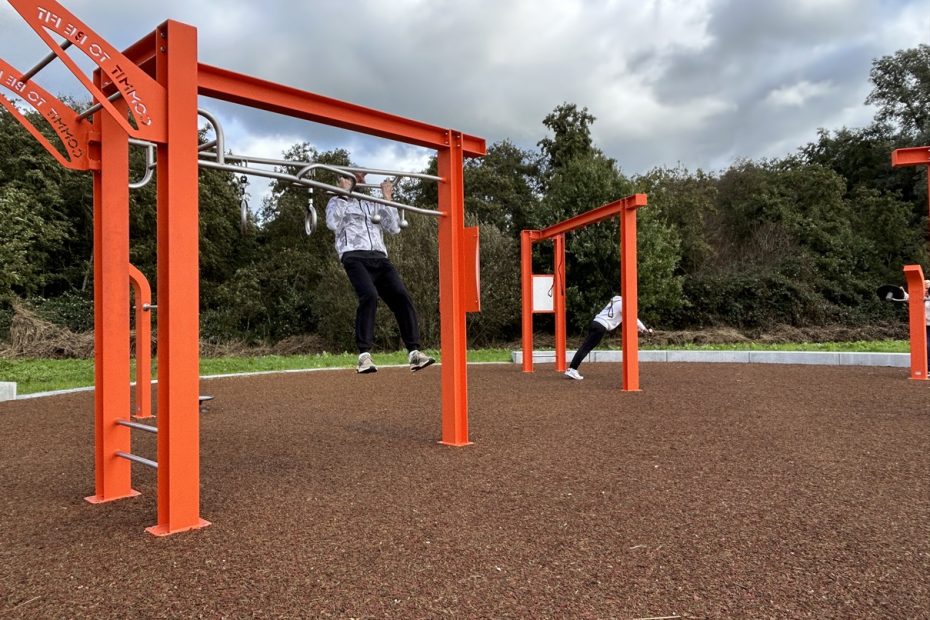
Calisthenics outdoor gyms have experienced a significant increase shift in popularity over the last decade, reflecting the growing preference for functional and minimalist workouts in open-air environments. Also known as Street Workout, this modern approach to bodyweight training originated in the parks and streets of New York and has since spread throughout public spaces worldwide. These specialized fitness areas provide comprehensive workout opportunities for people across all age groups, from young athletes to seniors.
From public parks to the backyards of large apartment buildings, calisthenics parks feature essential equipment like pull-up bars, dip bars, and parallel bars that typically cost between a few hundred to a few thousand euro’s. The total investment for installing a complete calisthenics equipment outdoor facility can vary significantly based on size, materials, and features, with average costs ranging between € 10.000 and € 80.000. For those considering a backyard calisthenics gym, the investment in this equipment supports not only physical fitness but also enhances brain function through flexibility exercises.
This guide explores everything decision-makers and fitness enthusiasts need to know about establishing a calisthenics park equipment setup that serves community wellness while providing an accessible, cost-effective fitness solution. From essential components and design considerations to real-world applications, readers will discover how these outdoor training spaces are transforming public health initiatives across communities.
What is a Calisthenics Outdoor Gym?
A calisthenics outdoor gym represents a specialized fitness space designed for bodyweight exercises that build strength, endurance, and flexibility in the open air. These facilities derive their name from the Greek words “kallos” (beauty) and “sthenos” (strength), reflecting their purpose of developing both physical form and functional power.
Definition and purpose
Unlike conventional fitness centers, a calisthenics outdoor gym—often called a “street workout park”—consists of simple yet effective structures specifically designed for bodyweight movements. These dynamic training areas provide accessible fitness opportunities without membership fees, operating hours, or complex machinery. The primary purpose of these installations is to offer communities a dedicated space for functional strength development through natural movement patterns rather than isolated muscle exercises.
Core components: pull-up bars, dip stations, monkey bars
Every calisthenics outdoor gym features essential equipment that forms the backbone of bodyweight training:
- Pull-up bars: The foundational element, typically available at multiple heights (1800 – 2400mm) with varied grip positions for targeting different muscle groups
- Parallel bars/Dip stations: Enable effective training for chest, triceps and shoulders through various exercises
- Monkey bars: Horizontal ladders that enhance grip strength, coordination, and upper body development
- Additional elements: Many parks include abdominal benches, jumping platforms, gymnastic rings, and human flag poles to provide comprehensive training options
Bodyweight training for all fitness levels
Despite appearing challenging at first, calisthenics training offers remarkable scalability. Each movement can be modified or intensified based on individual capabilities. Beginners might start with assisted pull-ups or inclined push-ups, while advanced practitioners progress toward complex gymnastic-inspired skills. This inherent adaptability makes calisthenics parks welcoming spaces for people across all fitness levels.
Differences from traditional outdoor gyms
Traditional outdoor gyms often feature resistance machines that isolate specific muscle groups, mimicking indoor gym equipment. In contrast, calisthenics parks emphasize compound movements that engage multiple muscle systems simultaneously. Moreover, calisthenics facilities typically create more community-centered environments where knowledge sharing and social interaction flourish naturally. Additionally, companies like Denfit have pioneered innovative designs that maximize functional training potential while ensuring durability in outdoor settings.
Why Calisthenics Parks Are Gaining Popularity
Public calisthenics parks have emerged as a powerful solution to America’s growing public health concern for physical inactivity, where approximately 25.3% of adults get no exercise outside of work. The surge in popularity of these accessible fitness spaces reflects a growing recognition of their multifaceted benefits for individuals and communities alike.
Health and wellness benefits for communities
Outdoor fitness promotes both physical and mental well-being through natural exposure to fresh air and sunlight. Research indicates that parks with walking loops have 80% more users than those without, and physical activity levels are 90% higher in these spaces. Furthermore, outdoor exercise contributes to improved vitamin D levels, enhanced mood, and better sleep patterns. Most significantly, these parks provide accessible infrastructure for communities where traditional fitness options may be limited or unaffordable.
Cost-effective and low-maintenance
Unlike traditional fitness facilities, calisthenics parks eliminate financial barriers by offering free access to quality fitness equipment. This aspect makes exercise accessible to people across all socioeconomic backgrounds. From a municipal perspective, these installations represent an efficient investment in public health, requiring minimal maintenance compared to indoor facilities. The durable, weatherproof equipment is designed to withstand heavy use in outdoor environments, making it a sustainable long-term solution for community wellness.
Encourages outdoor activity and social interaction
Calisthenics parks naturally foster community connections by creating gathering spaces where people exercise together and build relationships. These shared environments help reduce social isolation while increasing motivation and exercise adherence. Essentially, the community aspect transforms exercise from an individual activity into a shared experience that supports consistent participation. Regular users often develop impromptu training groups, sharing knowledge and techniques that benefit beginners and advanced practitioners alike.
Eco-friendly and inclusive design
Modern calisthenics parks prioritize inclusivity through thoughtful design that accommodates various abilities, ages, and fitness levels. The best installations incorporate elements such as clear pathways, accessible equipment options, and varied difficulty levels. This approach ensures that everyone from beginners to experienced athletes can benefit from the facilities. Additionally, these outdoor spaces connect users with nature, creating a refreshing alternative to traditional indoor gyms while minimizing environmental impact through their simple, sustainable design.
Designing and Building Your Calisthenics Outdoor Gym
Creating a functional calisthenics outdoor gym requires careful planning and strategic decision-making across several key areas. This methodical approach ensures your facility meets community needs while ensuring long-term safety and accessibility.
Planning and space assessment
First, identify your target audience and determine their specific fitness needs. The ideal location should be central, highly accessible, and visible to attract users. Evaluate your available space carefully, considering not just the equipment footprint but also safe zones between apparatus. A proper site assessment includes subsoil evaluation, drainage analysis, and identification of any underground obstacles that could hinder installation. This preliminary work prevents costly delays and ensures your foundation will support the equipment safely.
Choosing weather-resistant, durable materials
Equipment durability directly impacts safety and maintenance costs. Commercial calisthenics equipment typically utilizes:
- Galvanized steel with rust-resistant coating
- Die-cast aluminum components
- Powder-coated surfaces for all-weather performance
These materials withstand extreme weather conditions while maintaining structural integrity under constant use. Hot-dip galvanized steel offers exceptional longevity, with some manufacturers providing lifetime warranties on these components.
EN16630 compliance and safety considerations
Accessibility and safety is paramount when designing public fitness spaces. The fitness equipment needs to be according EN16630. This is the European Norm for permanently installed Outdoor Fitness equipment.
Accessible routes to all fitness equipment
The spacing between equipment must be sufficient to allow safe movement between stations and to prevent congestion during peak hours. Each piece of equipment should be accompanied by clear usage instructions.
Selecting the right calisthenics park equipment
Core components for a comprehensive calisthenics park include:
- Pull-up bars at multiple heights
- Parallel bars for dips and other exercises
- Overhead ladder/monkey bars
- Push-up stations
- Sit-up benches
Consult with fitness experts to ensure your equipment selection enables a full-body workout experience while accommodating various skill levels.
Installation and surfacing options
Proper surfacing is critical for both safety and functionality. Wetpour (EPDM) rubber surfacing is highly recommended as it:
- Dampens movement during exercises
- Offers customizable thickness based on fall height requirements
- Drains quickly after rainfall
- Provides inclusive accessibility
Budgeting and funding sources
The cost breakdown for a typical outdoor gym project includes:
- Equipment (50% of budget)
- Surfacing (20-30%)
- Site amenities (0-10%)
- Shipping (10%)
- Installation (10-15%)
Total costs typically range from € 10.000 tot € 80.000, depending on size and complexity. For funding, municipalities, schools, or sports associations can make use of various local and national grant schemes, such as: Municipal budgets for sports and livability, incentive programs for healthy living environments or activity-friendly neighborhoods, provincial funds for public space, sports, or vitality, partnerships with housing associations or community organizations, and corporate sponsorships.
Crowdfunding and community participation projects with local residents are also increasingly being used successfully to secure additional funding.
Denfit’s Role in the Calisthenics Movement
As a pioneering force in the outdoor fitness industry, Denfit has established itself as a key player in making calisthenics accessible to communities worldwide. The company stands out for its commitment to creating functional outdoor spaces that promote physical activity through thoughtfully designed equipment.
Denfit’s experience with cities and schools
Throughout the years, Denfit has collaborated with numerous municipalities and educational institutions to create vibrant fitness spaces that serve diverse populations. Their expertise extends beyond simply manufacturing equipment; they provide comprehensive consultation services that help communities maximize limited space and budgets. The company understands the unique challenges faced by public institutions, including durability requirements, accessibility concerns, and long-term maintenance considerations.
Custom solutions for public and private spaces
Unlike one-size-fits-all approaches, Denfit specializes in creating customized calisthenics parks tailored to specific community needs. Their design process begins with thorough site analysis and stakeholder consultation to ensure the final installation aligns with local demographics and fitness goals. Whether designing for bustling urban centers, quiet suburban neighborhoods, or school campuses, they adjust specifications accordingly. This flexibility allows them to accommodate various space constraints while still delivering comprehensive workout solutions that include:
- Age-appropriate equipment configurations
- Tailored difficulty levels for targeted user groups
- Custom branding and color schemes for institutional identity
- Integration with existing park features and landscape elements
Sustainability and innovation in design
Notably, Denfit has positioned itself at the forefront of sustainable outdoor fitness equipment design. Their commitment to environmental responsibility manifests through their material selection and manufacturing processes. The company continuously explores innovative solutions that enhance user experience while minimizing ecological impact. Accordingly, their designs incorporate weather-resistant materials specifically chosen for longevity in outdoor environments, reducing replacement frequency and resource consumption over time. This forward-thinking approach benefits both the environment and clients through reduced lifetime costs and maintenance requirements.
In addition to durability, Denfit emphasizes inclusive design principles that ensure their calisthenics equipment serves people of all abilities, making fitness truly accessible to entire communities.
Conclusion
Calisthenics outdoor gyms undoubtedly represent one of the most significant developments in public fitness infrastructure during the past decade. These community-focused installations provide comprehensive bodyweight training opportunities while simultaneously fostering community connections and promoting accessible fitness for all. Additionally, their minimal maintenance requirements and impressive durability make them ideal investments for municipalities, schools, and private facilities alike.
While traditional gym facilities certainly have their place, calisthenics parks offer a fundamentally different approach to fitness—one that emphasizes functional movement, natural exercise progression, and social interaction. Consequently, communities that install these facilities often witness increased physical activity levels across diverse demographic groups. Furthermore, the absence of membership fees or operating hours removes critical barriers that typically prevent many individuals from maintaining consistent exercise habits.
The growing popularity of these installations reflects a broader shift toward sustainable, accessible fitness options. Therefore, decision-makers seeking to enhance community wellness should seriously consider the substantial long-term benefits these facilities provide. From public health improvements to increased park utilization, the return on investment goes well beyond the equipment costs alone.
Denfit stands at the forefront of this movement, offering custom solutions that balance durability, accessibility, and functional design. Their expertise with municipalities and educational institutions ensures that each installation meets specific community needs while adhering to safety standards. Most importantly, their commitment to sustainable manufacturing practices aligns perfectly with the eco-friendly nature of outdoor fitness.
As communities continue seeking effective ways to combat physical inactivity, calisthenics outdoor gyms undeniably offer a proven solution that transforms public spaces into vibrant centers for health and community building. Though the initial investment varies based on scope and specifications, the lasting impact on public health makes these facilities worth serious consideration for anyone responsible for community wellness initiatives.
FAQs
Q1. How much does it typically cost to build a calisthenics outdoor gym?
The cost can vary widely depending on factors like size, materials, and features. On average, you can expect to spend between € 10.000 tot € 80.000 for a complete calisthenics park installation.
Q2. What are the essential components of a calisthenics outdoor gym?
Core components include pull-up bars at multiple heights, parallel bars for dips, overhead ladder/monkey bars, push-up stations, and sit-up benches. These allow for a comprehensive full-body workout using bodyweight exercises.
Q3. Are calisthenics parks suitable for all fitness levels?
Yes, they are suitable for everyone from beginners to advanced athletes. Beginners can start with basic exercises and modifications, while advanced practitioners can progress to more complex movements and skills.
Q4. What are the benefits of calisthenics parks for communities?
Calisthenics parks provide free access to quality fitness equipment, encourage outdoor activity and social interaction, promote health and wellness, and offer a cost-effective, low-maintenance solution for public fitness infrastructure.
Q5. How do calisthenics parks differ from traditional outdoor gyms?
Unlike traditional outdoor gyms with isolated resistance machines, calisthenics parks emphasize compound movements that engage multiple muscle groups simultaneously. They also foster a more community-centered environment for knowledge sharing and social interaction.