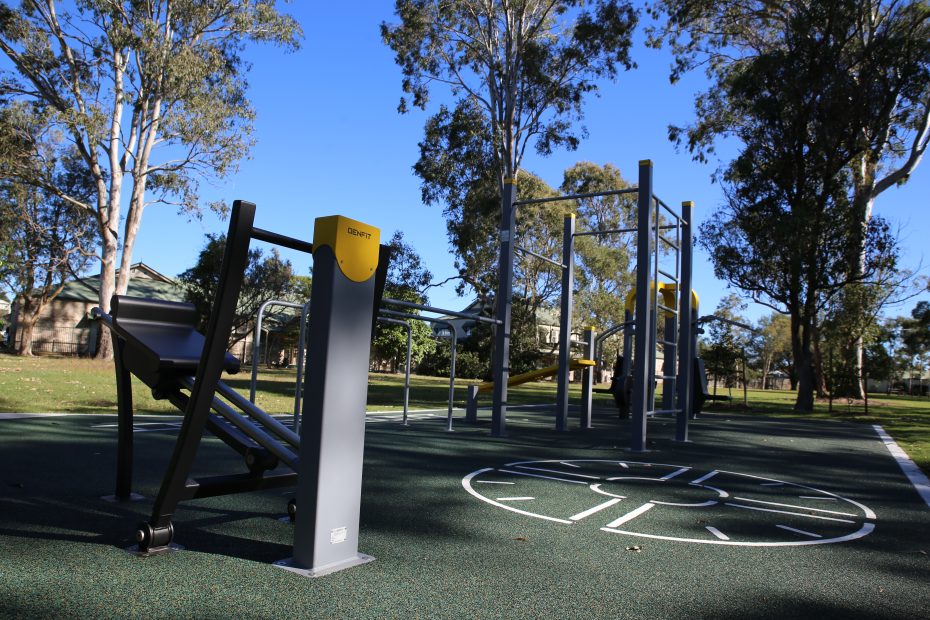
Picture a Thursday evening in a residential neighborhood park in Ghent. The traditional fixed exercise machines along the eastern pathway have two users between them. Forty meters away, a calisthenics area installed eighteen months ago is running at full capacity. A teenager is working through pull-up progressions on a mid-height bar. A man in his fifties is using parallel bars for controlled dip movements. Three young adults are rotating through a circuit involving hanging knee raises, push-up stations, and horizontal bar work. Nobody coordinated this. Nobody scheduled it. The space made it possible and the community filled it.
That is what well-chosen street workout equipment actually looks like in practice. Not impressive on a procurement spreadsheet, but alive in a way that justifies every euro of public investment. The difference between a calisthenics park that generates that kind of consistent community activity and one that sits quietly between maintenance visits almost always comes down to decisions made before a single anchor bolt hits the ground.
Why Equipment Selection Starts With Movement Behavior
The most common mistake in calisthenics park setup projects is opening an equipment catalog before understanding how people actually train outdoors.
Bodyweight training is not a stationary activity. Users rotate continuously between structures, combining pulling movements with pushing work, hanging exercises with ground-based drills, dynamic power movements with controlled mobility work. If the layout forces awkward transitions between stations, the entire training experience suffers regardless of how good each individual piece of equipment is.
Successful streetworkout park design begins with movement flow analysis. Where will people enter the space? How will they naturally rotate between stations? Is there enough open ground between structures for dynamic exercises that require clearance? Are there clear sightlines across the whole area so users feel safe and supervisors can monitor the space easily?
A park that answers these questions well before selecting equipment almost always outperforms one that simply places bars in available gaps. The equipment becomes part of a coherent training environment rather than a disconnected collection of structures that happen to share the same postcode.
What Separates Public-Grade Pull-Up Stations From Everything Else
The outdoor pull-up station remains the single most important element in any public calisthenics installation. It is the first thing experienced athletes assess when they visit a new park and the first structure beginners approach when they want to try something new. Getting this component right shapes the reputation of the entire space.
Public-grade pull-up stations are built to a fundamentally different standard than residential or light commercial alternatives. Municipal environments create conditions that most equipment was never designed to handle. Hundreds of users per week apply dynamic force through swinging movements, muscle-ups, and explosive training. Continuous weather exposure across multiple seasons. The occasional deliberate structural testing that comes with public spaces used by unsupervised adolescents.
Bar diameter matters more than most procurement documents acknowledge. Bars that are too thick reduce grip security for smaller hands and make the equipment less accessible for children, older adults, and beginners. Bars that are too thin limit comfort for heavier users during sustained training. The right diameter range supports genuine cross-demographic use rather than defaulting to a specification that works adequately for nobody in particular.
Height variation across a single installation is equally important. A single fixed-height pull-up bar immediately excludes a significant portion of potential users. Multiple heights across one structure accommodate children reaching for their first hang, adults performing standard training, and taller users needing proper clearance for full range movements. That simple variation dramatically expands who the equipment genuinely serves.
Weather resistance deserves scrutiny beyond the standard powder coating conversation. Surface grip quality in wet conditions directly affects both safety and how often people choose to use the park during typical Northern European weather. Equipment that becomes uncomfortably slippery after light rain loses significant usable days per year in most European climates. Asking suppliers specifically about wet-condition grip performance rather than accepting general weatherproofing claims is a worthwhile part of any serious procurement process.
Designing for the Full Range of Users, Not Just the Impressive Ones
One of the more consistent planning errors in calisthenics park projects is designing primarily around advanced athletes.
Skilled calisthenics practitioners are visually compelling during early stakeholder presentations. They demonstrate what the equipment can achieve at its highest level and make a convincing case for investment. The problem is that experienced athletes typically represent a small minority of actual long-term park users. Designing primarily around their needs creates spaces that feel intimidating to the majority of potential visitors before they even slow down to look.
Public calisthenics parks generate the strongest long-term community engagement when the entry points for beginners are as thoughtfully designed as the challenge elements for advanced users. Lower bar heights for supported movements and first hangs. Incline push-up stations that build toward ground-level work. Balance elements that develop coordination without requiring existing fitness. Parallel bars positioned low enough for seated dip progressions rather than only full bodyweight movements.
Denfit’s approach to this challenge through the BasixFit and dedicated Streetworkout ranges reflects genuine understanding of mixed-demographic public use. Equipment configurations are designed so that a first-time user and an experienced calisthenics athlete can train simultaneously in the same space without either feeling that the environment was built for someone else. That shared-use quality is what transforms a calisthenics installation from an athletic amenity into genuine community infrastructure.
Space Planning Is Where Good Intentions Often Break Down
An outdoor calisthenics park that looks well-proportioned on a site plan can feel dangerously cramped during actual use.
The reason is dynamic movement clearance. Static equipment dimensions tell you how much space a structure occupies. They tell you almost nothing about how much space users need around that structure during real training. A person performing kipping pull-ups, a dynamic muscle-up, or a swinging drill on a horizontal bar needs significantly more clearance than the equipment footprint suggests. Two users training simultaneously on adjacent structures need even more.
Planners who calculate layouts based on equipment footprints alone routinely underestimate the space required for safe and comfortable public use. The consequence is a park that works adequately when one or two people are present and becomes problematic during peak hours when the community it was designed for actually shows up.
Open circulation space between zones, clear separation between dynamic movement areas and static training sections, and deliberate sightlines across the full installation are not optional design extras. They are functional requirements that determine whether the park remains safe and welcoming as usage grows over time.
Integration with the surrounding park environment also matters considerably. The most consistently active outdoor training spaces in Europe are not isolated fitness zones set apart from normal park activity. They are spaces where the calisthenics area connects naturally to walking routes, seating areas, and other recreational zones so that people encounter training activity organically during daily park visits rather than making a deliberate detour to reach a separated fitness corner.
Safety Standards and Why They Belong at the Beginning of Planning
Public calisthenics parks receive heavy, unpredictable use from an enormously diverse range of users. Unlike supervised indoor facilities, municipalities cannot control every movement pattern or training decision that happens in an outdoor space. That reality makes structural safety planning a foundational requirement rather than a compliance checkbox at the end of the procurement process.
EN 16630 is the European standard governing permanently installed outdoor fitness equipment and it sets the baseline requirements that public procurement should treat as non-negotiable. Structural load performance, material safety, ergonomic design standards, and impact zone specifications are all covered within this framework. Verifying EN 16630 compliance before finalizing any supplier relationship protects both the public using the space and the municipality responsible for it.
Beyond certification, maintenance planning deserves the same level of attention as initial installation design. Even excellent equipment requires regular inspection routines, surface upkeep, and long-term operational management. The strongest public calisthenics parks are treated as permanent civic infrastructure with ongoing maintenance commitments rather than one-time installations that can be largely forgotten after the opening weekend.
Surfacing choices around equipment also affect both safety and long-term usability in ways that become very visible over time. Surfaces that drain poorly, wear unevenly, or lose impact absorption properties within a few seasons create maintenance problems and reduce public confidence in the space faster than almost any other factor.
Ready to Build a Calisthenics Park That People Actually Use?
The success of a public calisthenics park depends on more than installing a few bars. Thoughtful equipment selection, inclusive design, safe layouts, and long-term durability all play a role in creating a space that serves the community for years to come. Whether you’re planning a new outdoor fitness area or upgrading an existing site, choosing the right equipment from the start can make all the difference.
Explore Denfit’s street workout equipment and outdoor fitness solutions to create an engaging, safe, and community-focused training environment.
FAQs
What should municipalities prioritize when selecting street workout equipment?
Movement flow, structural quality, height variation, inclusive design, and EN 16630 compliance are the most important factors. Equipment selection should follow a clear understanding of how people will actually move through the space rather than beginning with product catalogs.
How important is height variation in outdoor pull-up station design?
Height variation is critical for genuine cross-demographic use. A single fixed height immediately limits who the equipment serves comfortably. Multiple heights within one structure accommodate children, beginners, standard adult users, and taller athletes without requiring separate installations for each group.
What is EN 16630 and why does it matter for public calisthenics parks?
EN 16630 is the European standard for permanently installed outdoor fitness equipment covering structural integrity, material safety, ergonomic design, and impact zone requirements. Compliance is a non-negotiable baseline for public procurement and provides meaningful assurance of long-term safety performance under heavy community use.
How can planners design calisthenics parks that serve both beginners and advanced athletes?
The key is building genuine entry points for lower fitness levels alongside challenge elements for experienced users. Lower bar heights, incline push-up stations, balance elements, and assisted movement options allow beginners to participate comfortably in the same space where advanced athletes train, without either group feeling the environment was designed exclusively for someone else.
Why does dynamic movement clearance matter more than equipment footprint in space planning?
Equipment footprints show how much space a structure occupies at rest. Dynamic movements like kipping pull-ups, muscle-ups, and swinging drills require significantly more clearance around structures during actual use. Layouts calculated only from static footprints routinely underestimate the space needed for safe and comfortable public training.
What makes outdoor calisthenics parks more socially active than traditional outdoor gyms?
Bodyweight training is naturally collaborative. More experienced users demonstrate movements to beginners without being prompted. Training groups form organically around shared goals. The open, flexible nature of calisthenics equipment invites participation and observation in a way that isolated fixed-motion machines do not, creating spaces that remain socially active throughout the day rather than during narrow peak usage windows.
How should municipalities approach long-term maintenance planning for street workout equipment?
Outdoor fitness infrastructure in public spaces should be treated as permanent civic assets with ongoing maintenance commitments from the outset. Regular structural inspection routines, surface condition monitoring, replacement part availability from the supplier, and clear maintenance access around all equipment are practical requirements that protect both public safety and the long-term value of the installation.